Explore Didgeridoo Instrument Types and Sound
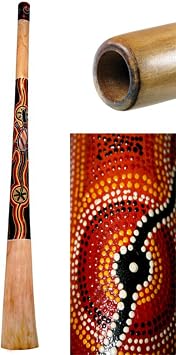
A didgeridoo instrument is a long, hollow wind instrument played with vibrating lips, producing a resonant drone that can be shaped with breath, vocal sounds and changes in mouth position. Traditional instruments are made from naturally hollowed wood, while contemporary versions may use timber, bamboo, fiberglass, acrylic or other materials. Designs range from compact travel models to longer instruments with lower pitches, and some include a flared bell that affects projection and tone. Didgeridoos are used in musical performance, contemporary ensembles, cultural practice and personal exploration of rhythm and breath. When comparing options, consider whether you want a traditional-style instrument, a lightweight practice model or a distinctive modern design. Sound, length, weight and playing approach all influence which didgeridoo suits your experience and intended use.
- Resonant drone shaped by breath and vocal technique
- Traditional and contemporary materials
- Available in varied lengths and designs
Materials, Construction, and Didgeridoo Design
Material has a strong effect on a didgeridoo's feel, durability and sound. Wooden instruments can have individual grain patterns and a warm, organic character; natural hollowing and hand-finished details may also create variation between pieces. Bamboo is often lightweight and straightforward to handle, while fiberglass and acrylic models can offer consistent construction and are commonly considered by players seeking a durable practice instrument. Some didgeridoos use synthetic materials or composite designs to balance portability and resilience. Examine the mouthpiece for a comfortable, smooth fit, and look for a stable finish without obvious cracks or rough edges. A flared bell may support outward sound projection, while a narrower body can feel different to hold and play. Ubuy can help shoppers discover didgeridoo instruments and related international products across different materials and styles.
- Wood, bamboo, fiberglass, and acrylic options
- Check finish, mouthpiece, and overall construction
- Material can influence weight and tonal character
Pitch, Length, and Playing Technique
A didgeridoo's length and internal bore influence its fundamental pitch and the way it responds to breath. Longer instruments often produce lower drones, while shorter designs can feel easier to carry and may suit players who prefer a higher register. Shape and internal dimensions matter too, so length alone cannot predict the complete sound. Beginners typically start by creating a steady lip vibration and learning to maintain airflow; circular breathing is an advanced technique that sustains sound while inhaling through the nose. Players also use vocalizations, tongue movements and rhythmic accents to build expressive patterns. If possible, compare sound demonstrations or product specifications, and consider where and how you plan to practice. A comfortable mouthpiece and manageable weight can make regular learning more enjoyable than choosing a model solely for appearance or pitch.
- Length and bore affect pitch and response
- Steady lip vibration creates the drone
- Circular breathing is an advanced technique
Accessories, Practice, and Musical Uses
A suitable accessory can make learning and caring for a didgeridoo more convenient. A padded bag helps protect an instrument during storage or transport, while a stand can keep it upright between practice sessions. Some players use a beeswax mouthpiece to adjust the rim for a more comfortable seal; follow the instrument maker's guidance before applying any material, particularly on synthetic or finished surfaces. A tuner or pitch reference may help when matching an instrument with other musicians, and instructional books or lessons can support breath control and rhythm development. Didgeridoos appear in solo playing, percussion-led music, sound exploration and collaborative performance. Ubuy provides a place to discover instruments and accessories from international product ranges, so shoppers can compare practical features alongside design and intended playing style.
- Consider a protective bag or storage stand
- Mouthpiece comfort supports a reliable seal
- Learning resources can build breath control
Care, Storage, and Buying Considerations
Good care helps preserve a didgeridoo's finish and playing condition. Keep the instrument in a dry, stable environment and avoid prolonged exposure to moisture, direct heat or abrupt temperature changes, which may affect some materials. Wipe the exterior with a soft, dry cloth and follow care instructions specific to the construction; do not pour water or cleaning products inside unless the maker explicitly recommends it. Before purchasing, check the listed dimensions, weight, material, mouthpiece style and whether a case or other accessory is included. Consider available practice space, portability and the instrument's intended role, such as beginner learning, performance or display. Product descriptions may use terms such as drone, bore, bell and mouthpiece; understanding these details makes it easier to compare models on relevant characteristics rather than relying on appearance alone.
- Store in a dry place away from direct heat
- Follow material-specific care instructions
- Compare dimensions, weight, and included accessories
Select the Right didgeridoo instrument
Choose a didgeridoo by balancing playing experience, sound preference, construction and practical needs. For a first instrument, prioritize a comfortable mouthpiece, manageable weight and a design that feels approachable for regular practice. Experienced players may compare pitch, bore shape, response and tonal character for a particular repertoire or ensemble. Traditional-style wooden pieces appeal to shoppers seeking natural material and individual finish, while bamboo or synthetic options may suit those considering portability or a different maintenance routine. Check the product details carefully for length, material, finish and included accessories, and consider whether you need a carrying bag or learning resource. If cultural provenance or maker details matter to your decision, rely on clear product information rather than assumptions based on appearance. Ubuy offers a platform for discovering international didgeridoo instruments, making it useful to compare styles and features before choosing.
- Match size and weight to your experience
- Compare sound, material, and intended use
- Review product details and accessory inclusions